


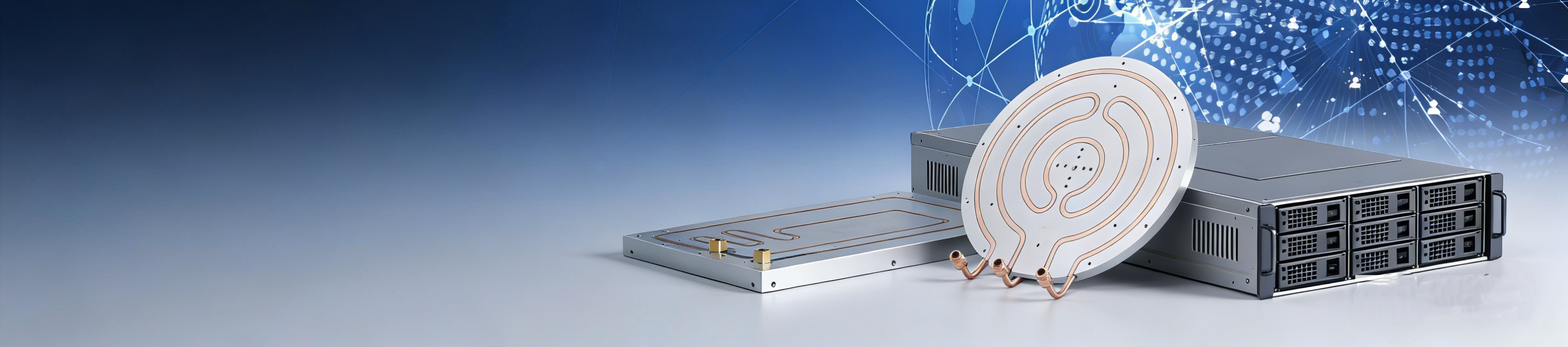
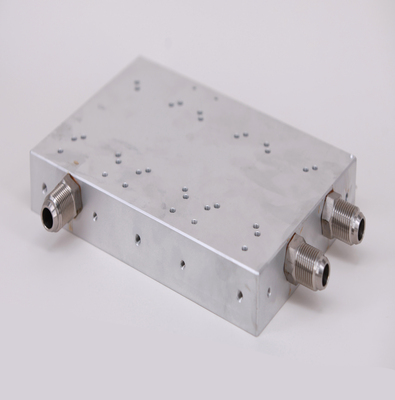
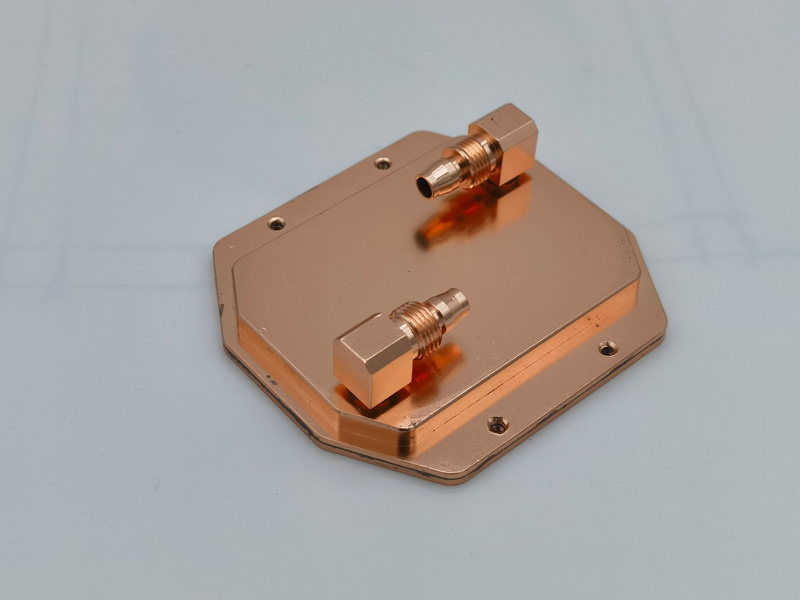
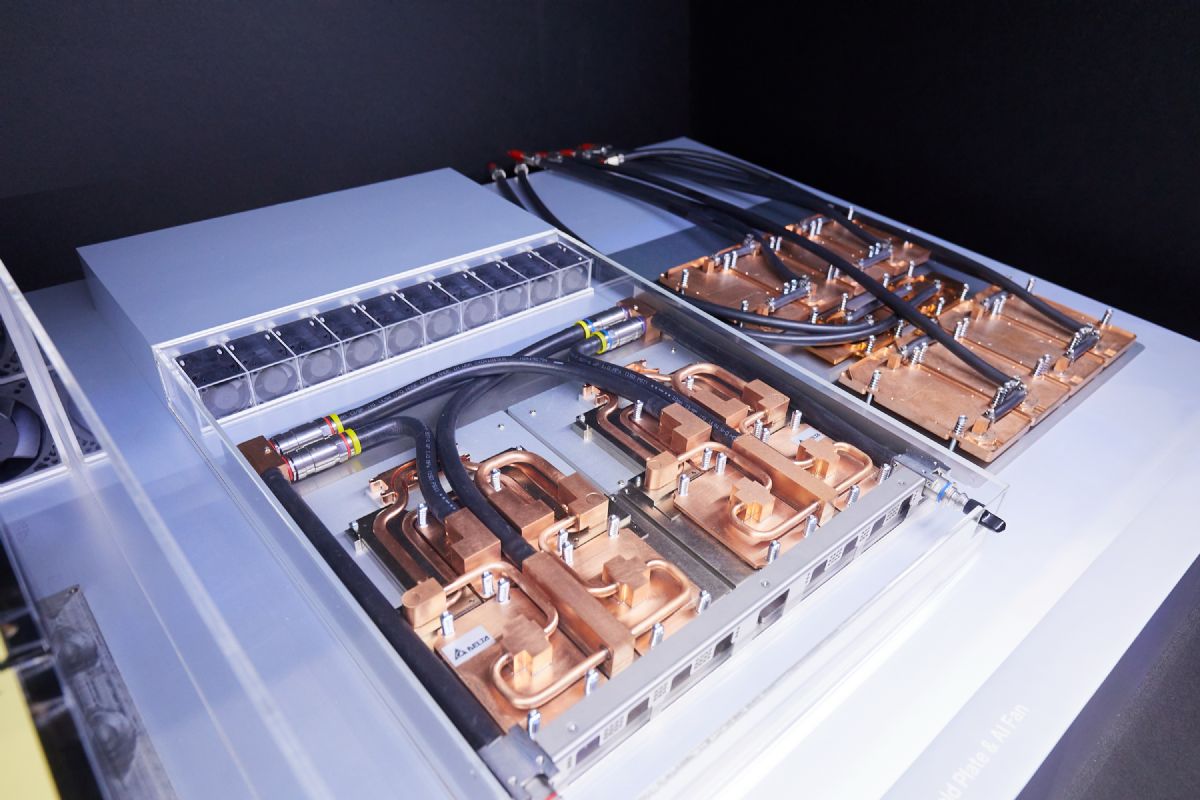
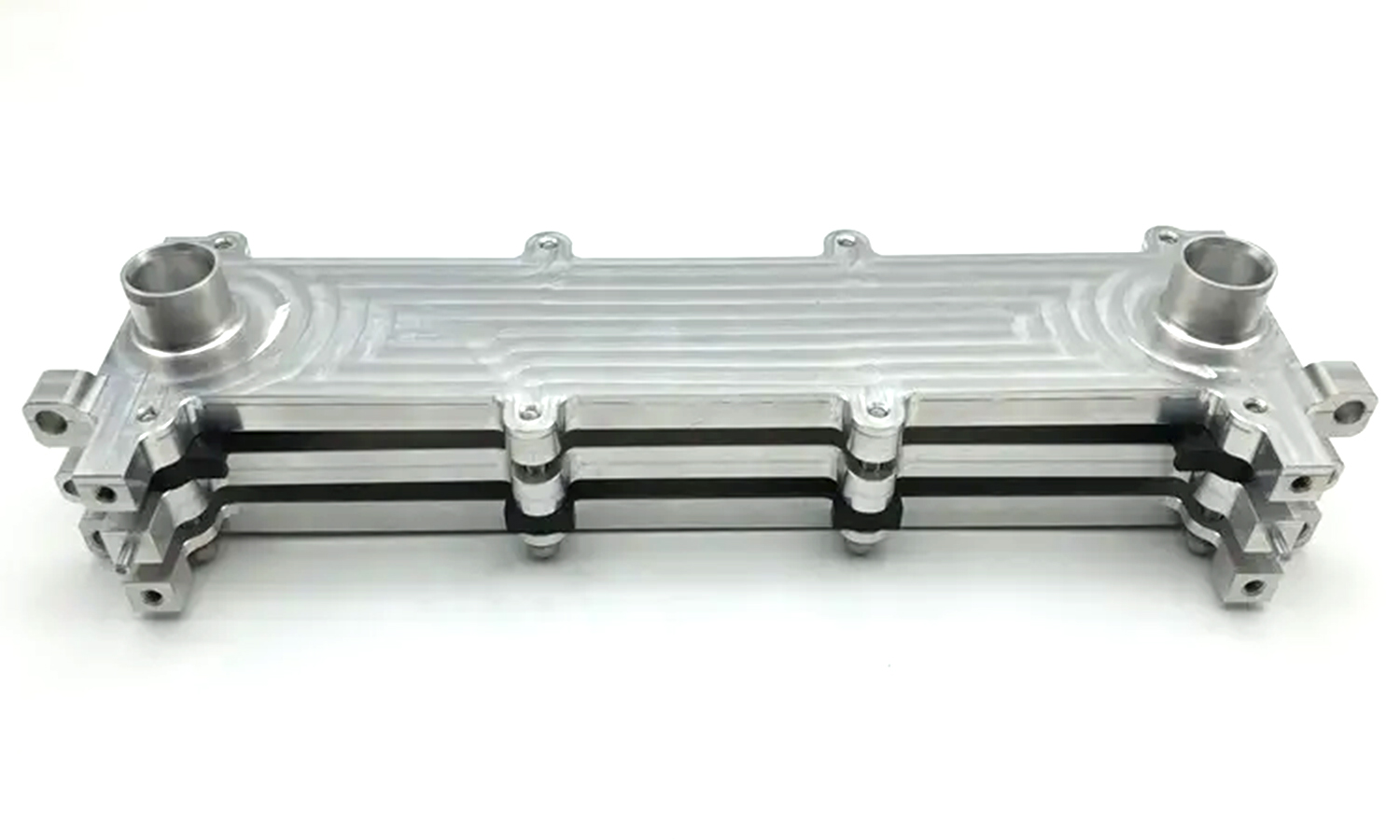
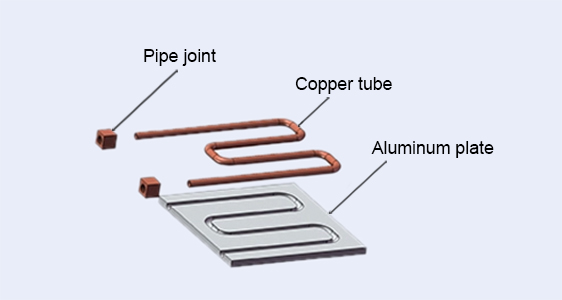
Exposed-tube technique: This technique applies to devices to be installed on one side. Copper tubes are pressed to deform into the grooves within an aluminum plate and then a fly-cut is applied to the surface. This allows the quick removal of heat due to the high thermal conductivity of copper tubes. Meanwhile, the lightweight of aluminum can reduce the total weight and keep the cost to a reasonable extent.
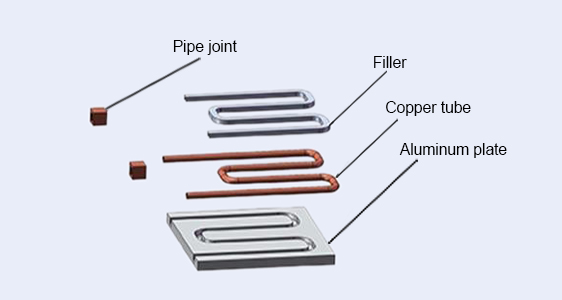
Full-buried-tube technique: The filler is a type of highly conductive epoxy resin which is imported from the US. When the temperature difference between two sides of a device is not critical, the cold plates can be applied to either just one side or both sides of the device. Since the copper tube thickness is not affected by any secondary machining and the application safety is ensured due to the protection of the filler, this technique is especially suitable for cold plate applications which use refrigerant as the cooling medium.
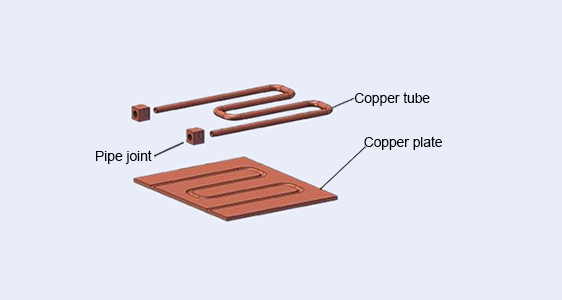
Half-buried techniques: This technique is suitable for the combination of copper plate + copper tubes. It can reduce the plate thickness and generate the weight reduction effect.
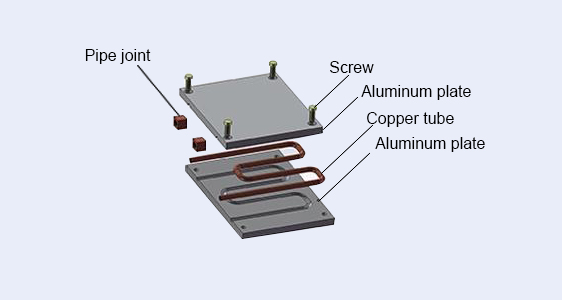
Sandwiched-tube technique: There are tubes between two plates and this technique is simple with lower cost. The combination could be aluminum plate + aluminum tubes/copper tubes/SUS tubes.
| Specification | Custom size, flow channel design, and installation dimensions |
| Material | Aluminum Alloy 6061/6063, Pure Copper, Stainless Steel |
| Process Technology | Vacuum Brazing, Friction Stir Welding, Deep Hole Drilling |
| Micro-channel, serpentine channel, pin-fin structure available | |
| Thermal Performance | Ultra-low thermal resistance, high heat flux, stable cooling |
| Pressure Test | Leak-proof test: 0.8–1.6 MPa; No leakage, high reliability |
| Surface Treatment | Anodizing, Nickel Plating, Passivation, Anti-corrosion Coating |
| Application | New Energy Vehicles, Energy Storage, Server, EV Battery, Inverter, Industrial Cooling |
| ISO 9001 & IATF 16949 quality system certified |